

I. Executive Summary
Last week Como Ventures, a pioneering startup and investment platform, officially launched through a unique partnership between the Italian Serie A club Como 1907 and the athlete-led venture capital firm, The Players Fund, was announced.
While similar concepts have been in place for some times, Barcelona, Paris Saint-Germain, Arsenal, the LA Dodgers, Burnley and City Fan Labs run vaguely relatable programs.
But this is very different.
The Black Book finds that Como Ventures represents a significant departure from traditional sports accelerator models, defining a new, resilient business framework by fusing venture capital, a luxury lifestyle brand, and a powerful athlete network.
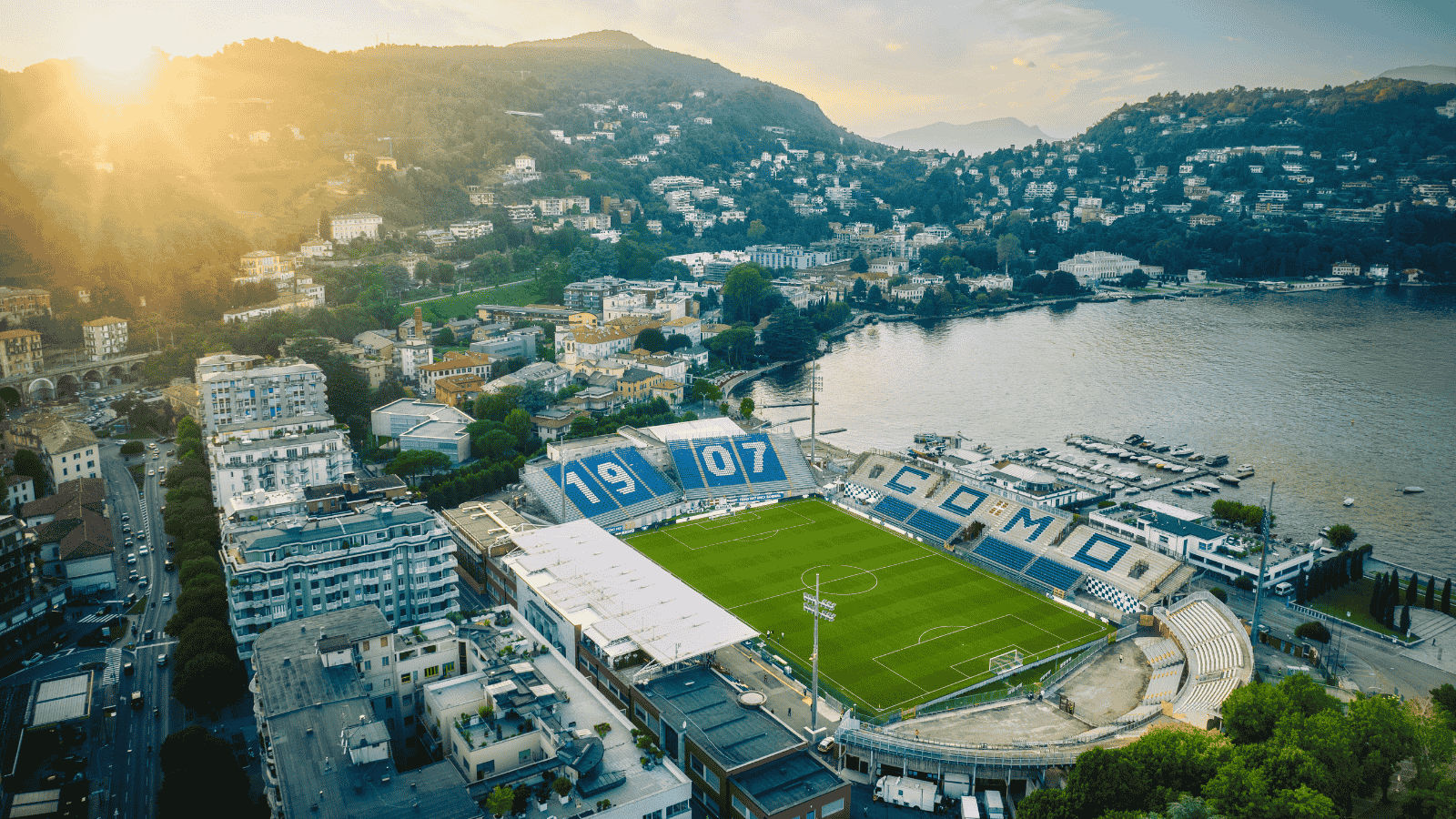
At its core, the venture's distinct strategic advantage stems from its ability to transform a fixed geographic asset - the global brand recognition of Lake Como - into a dynamic, multi-faceted business ecosystem.

The model operates as a self-reinforcing flywheel where each partner’s contribution amplifies the others' strengths.
Como 1907 provides a unique real-world test bed for innovation, The Players Fund offers curated deal flow and a vast network of athlete-investors, and the startups provide new revenue streams and operational efficiencies.
This symbiotic relationship is a tangible example of the hybrid venture operating model, which integrates capital with hands-on operational execution.
Sports already does this but in a disconnected pattern, very few sports teams or clubs are making premium return for not just their brand, but everything they represent to a geographic area.
A detailed competitive analysis reveals that while other major clubs and leagues - incl. PSG, Arsenal, Barcelona, and the LA Dodgers - have launched similar initiatives, Como Ventures’ strategy is uniquely place-based.
The club's leadership, under Chief Revenue Officer Ryan Shelton and President Mirwan Suwarso, views Como 1907 not as a traditional football club, but as the theme park within a master brand that is Lake Como itself.
This bold and potentially controversial approach deliberately shifts from a reliance on what can be volatile on-pitch success, building a more financially resilient business that seeks to achieve a $1B (USD) valuation by 2038 through diversified revenue streams like luxury tourism and white-label technology services.
The report concludes that Como Ventures is well-positioned for future success due to it’s very unique value proposition, the blend of geography, culture and history - and an entrepreneurial leadership team with rich and diverse networks.
To achieve its ambitious financial targets, the venture will navigate key challenges, including managing its significant financial losses, expanding its limited local fan base, and mitigating the risk of alienating its core community by focusing on a tourist-heavy model.
II. The Como Ventures Model: A Hybrid Approach to Corporate Innovation
2.1 The Genesis of a Unique Partnership
The formation of Como Ventures marks a pivotal moment in the evolution of sports business, representing a deliberate strategic effort to innovate at the intersection of sport, lifestyle, and venture capital.
This new startup and investment platform is a collaboration between Como 1907, an Italian Serie A football club, and The Players Fund, a London-based, athlete-led venture capital firm.

The initiative's core purpose is to provide a "founder-first launchpad" for early-stage companies, allowing them to test, grow, and scale their solutions within the vibrant ecosystem of the club and the broader Lake Como region.
The key individuals driving this partnership are Ryan Shelton, Chief Revenue Officer at Como 1907, and Andy Marston, Head of Corporate Venture for The Players Fund.
Their collaboration is described as an exceptional partnership founded on a shared ambition to do things differently within the industry.
The roles are clearly defined: Como 1907 provides access to its team and stadium operations in exchange for equity in the selected startups.
Meanwhile, The Players Fund leverages its extensive network of athletes—including high-profile figures like Ben Stokes and Allyson Felix—to guide startup selection and oversee the day-to-day management of the program.
The fund will also consider making direct cash investments in the chosen companies, a commitment not initially made by Como 1907.
This collaborative framework is explicitly designed to create a flywheel.
This isn’t a metaphor; it describes a self-reinforcing, multi-stakeholder value creation loop.
The Players Fund's well-established network provides a powerful solution to the cold start problem that often plagues new accelerators by ensuring a strong pipeline of high-quality startup applicants.
Conversely, Como's access to a live-action, real-world test bed and its globally recognized brand offers a unique value proposition that The Players Fund cannot provide on its own.
The startups, in turn, provide valuable insights, technological solutions, and potential new revenue streams for the club.
This creates a powerful loop where each party’s contribution strengthens and accelerates the others, making the overall model more attractive and sustainable.
The long-term plan is to replicate this model with other teams, leveraging the platform as a services arm for The Players Fund that can be tailored to the distinct identity of each new rights holder.
2.2 Defining the Hybrid Venture Operating Model
The strategic model underpinning Como Ventures represents a significant evolution beyond the standard corporate accelerator format.
Rather than simply providing mentorship and a small amount of capital in exchange for equity, the program is a tangible application of what is known as the hybrid venture operating model.
This framework integrates capital investment with hands-on, operational execution, moving beyond passive funding to become an active co-creator with the founders.
The distinction is evident in the program's structure and duration.
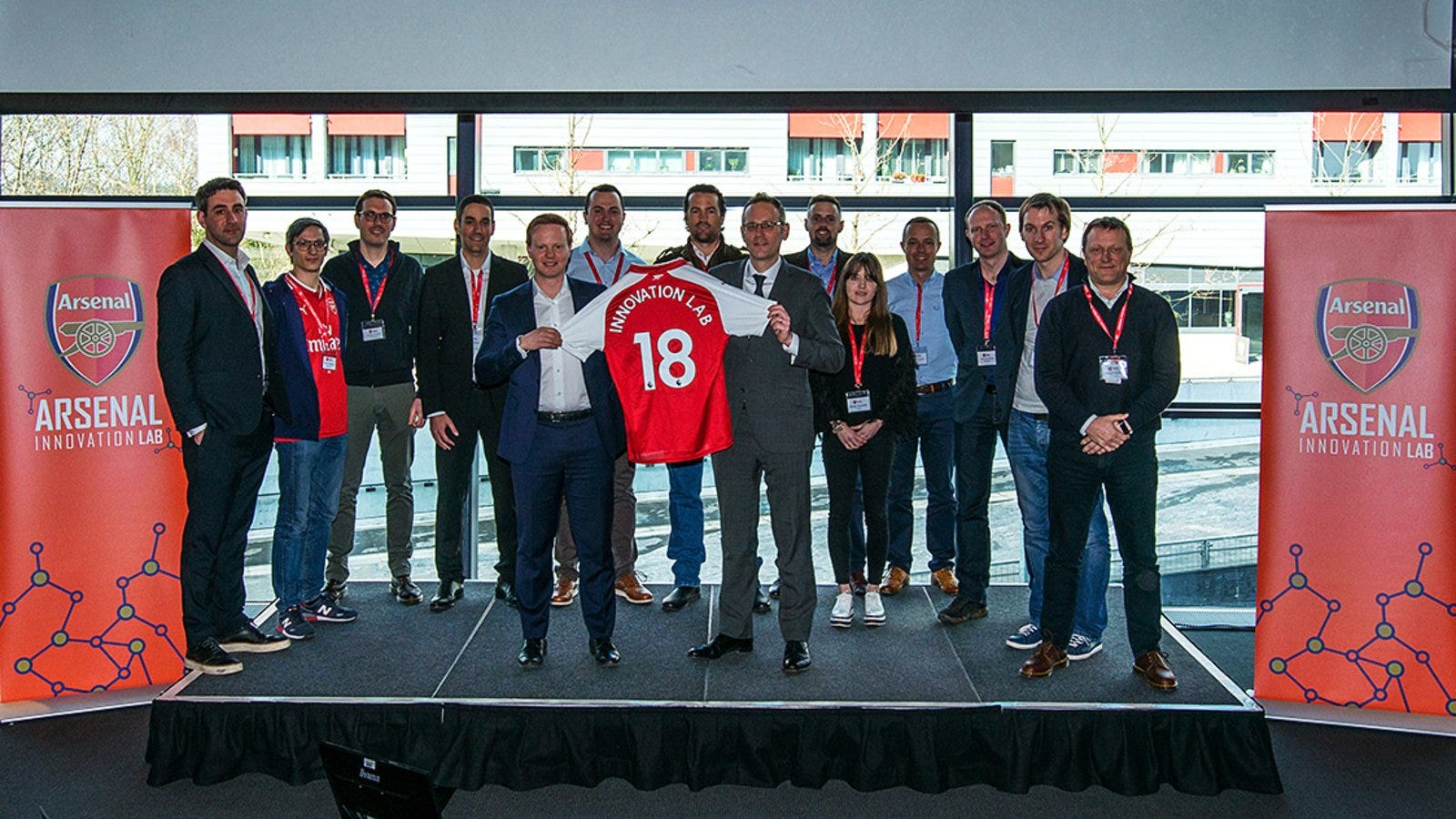
While many “similar” ventures, such as Arsenal's Innovation Lab or PSG Labs, are designed as intensive, short-term boot camps lasting ten weeks or three months, Como Ventures features a six-month activation inside the club for its chosen cohort.
The longer, more embedded relationship allows for a much deeper and more meaningful partnership. Startups gain direct access to Como 1907's operations and can validate their products in real-world conditions and test them with the club's staff, players, and facilities.
This commitment to operational execution signifies a shift from a program designed for mentorship to one designed for co-creation.
The model is described as marrying the foresight of early-stage VC with the muscle of private equity by embedding alongside founders to co-create, adapt, and refine in real time.
This hands-on approach is designed to mitigate risk, accelerate the path to product-market fit, and increase the likelihood of success by providing a direct channel for commercial development and global visibility.
This commitment to a long term, more integrated partnership fundamentally sets Como Ventures apart, aligning with the club's broader business philosophy.
2.3 The Flywheel Effect: A test bed for a new model
The power of the Como Ventures partnership lies in its synergistic value proposition, which creates a continuous, self-reinforcing loop for each of its three key stakeholders.
For Como 1907, the primary benefit is access to breakthrough innovation without the need for significant initial cash investments. The club gains a front-row seat to breakthrough innovation and is able to stay aligned with emerging trends in sport, media, and culture through advisory services provided by The Players Fund.
This is a critical component of the club's overarching goal to build a business empire where off-pitch revenue eventually surpasses it’s pure footballing revenue.
The startups serve as an outsourced research and development pipeline, providing the club with next-generation technologies that support both its sporting and commercial ambitions.
For The Players Fund, the collaboration with Como 1907 serves as an efficient and de-risked deal-sourcing mechanism.
The club's unique brand and physical infrastructure serve as a live laboratory that surfaces and validates startups for the fund.
This real-world testing environment provides a level of due diligence that is difficult to replicate in a traditional venture process, ultimately providing a already vetted, high-quality deal flow for The Players Fund's network of athletes and investors.
The long-term ambition is to replicate this successful model with other clubs, solidifying The Players Fund's position as a service arm within the venture ecosystem.
For the startups, the value proposition is an unparalleled founder-first launchpad.
They receive a platform that combines the global cultural magnetism of Lake Como with direct access to an international network of athlete investors and operators.
This partnership gives startups the ability to test and validate their products in live, real-world conditions, showcase their solutions to a global audience, and accelerate their commercial development.
The program culminates in a Demo Day, which puts the companies in front of investors, sponsors, and media representatives, further propelling their growth and visibility. The flywheel operates by ensuring that the success of each startup validates the entire platform, making it more attractive for future cohorts and investors.
III. The Lake Como Differentiator: From Location to Lifestyle Brand
3.1 The Master Brand Strategy
The most significant and radical aspect of Como 1907's business strategy is its deliberate de-emphasis on sporting success as the primary driver of value.
The leadership, under President Mirwan Suwarso, has stated an explicit business ambition, not sporting ambition.
Although obviously the later will accelerate the former.
The ultimate goal is not to win trophies but to achieve a US$1 billion valuation by 2038 by building a diversified, financially resilient group.
This ambition is built on a foundational premise: that Lake Como acts as the 'master brand' that influences all the club's partnerships.
In this model, the football team is not the entire business but rather a theme park, drawing on whatever it needs to, Italian cool through to designer chic within a much larger, multi-sector brand ecosystem.
This strategy is a direct counter-narrative to the traditional football business model, which is often highly dependent on the volatile and risky nature of on-pitch results.
By diversifying revenue streams into non-football verticals, the club aims to create a business that can generate value even during periods of sporting under-performance, a mindset consistent with the principles of long-term evergreen companies.
The club is consciously building a financially resilient enterprise that can persist for decades, detached from the short-term pressures of winning leagues or competing for the Champions League.
A strategy that has broken many a club’s finances.
This strategic approach is a response to the inherent financial risks of the sport and the demographic hurdles Como faces as a city with a small local population.
By using football as the entry point to a curated, luxury lifestyle brand, the club is able to target an international audience and leverage the global cultural appeal of Lake Como, an asset that no other football club in the world possesses to this extent.
The presence of A-list celebrities at games and the fact that 40% of the club's ticketing revenue now comes from international visitors underscores the success of this strategy in attracting a high-value, global demographic.

The club is not just selling football; it is selling an elevated Italian experience that resonates worldwide.
3.2 Leveraging Local Industries
Como 1907's strategic vision is brought to life through a cohesive brand ecosystem that fuses the football club with the region's heritage and luxury industries. This approach is not about opportunistic sponsorships but about creating a total product experience that builds an authentic, place-based brand.
A prime example is the club's partnership with Brioni, the historic Roman Maison known for its sartorial excellence.
This is not a typical kit deal but a strategic alliance based on shared core values of craftsmanship, sophistication, and innovation.
The partnership outfits the Como 1907 team in exclusive double-breasted navy suits and polo shirts, a move that aligns with Brioni's quiet luxury aesthetic and positions the club as a beacon of Italian elegance, similar to how Dior dresses PSG.
This deep cultural and sartorial alignment creates a unique, non-replicable brand asset that is impossible for a club in a less iconic location to duplicate.
The in-house luxury tour operator, SENT Tourism, is another critical pillar of this strategy.
By blurring the line between sport and luxury travel, SENT Tourism converts match attendance into an immersive lifestyle experience.
The curated packages extend beyond a 90-minute game to offer VIP hospitality at a historic lakeside residence (Villa Carminati), private seaplane tours, and yacht stays.
The goal is to make Como a year-round destination, transforming the seasonal nature of football into a continuous tourism engine.
By integrating travel, hospitality, fashion, and culture into a unified ecosystem, the club taps into the global appeal of Lake Como, drawing new demographics and diversifying its revenue streams beyond traditional ticket sales and broadcasting rights.
3.3 Technological & Commercial Innovations already in place
The Como 1907 business model is defined not only by its strategic partnerships but also by its proactive approach to in-house technology development.
A notable example is the club's creation of its own blockchain-based ticketing platform.
This initiative was a direct response to a notoriously opaque Italian ticketing system and was designed to solve a significant market problem.
The platform does more than simply sell tickets; it streamlines international access for the club's growing international fan base. It also includes a cashback and point system that links ticket purchases to retail transactions across the club's ecosystem, creating a cohesive, data-rich environment.
The platform's blockchain foundation also helps combat touting and enhances security for ticket holders.
Crucially, the leadership’s intention is to offer this platform as a white-label product to other clubs and leagues, transforming an internal solution into an external, B2B revenue stream.
This move is a powerful demonstration of the club's core business philosophy: that innovation should not just be consumed but also product released and sold to others to create a scalable, new business pillar.
This proactive, product-driven approach sets Como apart from clubs that may only pursue partnerships without engaging in in-house product development. The blockchain ticketing platform is a microcosm of the entire Como business strategy, showcasing a direct path from internal R&D to external revenue generation and solidifying the club's position as a provider of innovation as a service.
IV. The Global Sports Innovation Landscape: A Comparative Analysis
4.1 The Rise of Club and League Ventures
The launch of Como Ventures is part of a broader wave of innovation sweeping across the global sports industry.
This trend is driven by a strategic necessity for sports organizations to diversify revenue streams and engage with fans in new ways, confronting challenges like intensifying competition for fan attention, new digital consumption habits, and rising operational costs.
The pervasive adoption of digital technology and the continued and rapid shift in fan consumption habits have made innovation hubs a critical business function, not a mere public relations exercise.
The industry has entered a new phase where intelligent capital is flowing in, and innovation is no longer the exclusive domain of major governing bodies or Tier 1 orgs.
The concept of innovation debt has become an imperative, with orgs seeing that a failure to invest in new technologies and business models now will result in a widening gap between them and their more forward-thinking competitors.
Make no mistake, sports is now in a tech style arms race.
This has led to a proliferation of innovation initiatives across all levels of sport, from Tier 2 clubs like Burnley and Southampton to major global leagues like the NBA and clubs like PSG and Barcelona.

This widespread activity confirms that building a diversified, tech-enabled future is a matter of long-term business resilience.
4.2 Competitive Case Studies: Models and Leadership
A comparative analysis of competing innovation ventures highlights the distinctiveness of the Como Ventures model and the shared strategic imperatives of modern sports organizations.
Paris Saint-Germain (PSG Labs):
Led by Pär Helgosson, Head of PSG Labs, this initiative is a global venture platform designed as an end-to-end innovation engine. The model operates as an intensive, three-month boot camp with a strategic focus on fan engagement, AI, Web3, and smart stadiums.
The primary goal is to leverage the immense power of the PSG brand to accelerate and scale breakthrough ideas, positioning the club as a leader in the sports-tech industry. It is a brand-driven accelerator model that uses the club's global presence to empower startups.
Burnley FC (Innovation Hub):
The Innovation Hub is a core part of the tech-forward strategy of Chairman Alan Pace and ALK Capital. It is also guided by Director Antonio Dávila, a professor of innovation. The model focuses on providing a breeding ground for startups to run live pilots within the club and has a secondary mission of fostering regional economic growth.
Burnley’s model is a pragmatic, hands-on extension of its ownership group's multi-club strategy. It seeks to create direct business value by sourcing, piloting, and potentially investing in technologies that can be scaled across ALK Capital's portfolio of clubs.
Arsenal FC (Innovation Lab):
Arsenal partnered with corporate innovation specialist L Marks to run a ten-week program. The initiative, which likely has involvement via Juliet Slot, the club’s CCO, is focused on specific categories like improving the match day experience and retail operations.
The Arsenal model is a classic example of a successful accelerator partnership. The club effectively outsourced the operational complexity of running the program to L Marks while retaining strategic oversight and the option to invest in promising ventures. This approach allows the club to explore new ideas without dedicating significant internal resources.
FC Barcelona (Barça Innovation Hub):
The Barça Innovation Hub is a wide-ranging strategic project led by General Manager Albert Mundet. It is the most academic and comprehensive model, encompassing startup incubation, scientific research, and talent development through various educational programs.
Reflecting the club’s status as a multi-sport organization, the hub is focused on building a robust knowledge ecosystem. It is less a traditional accelerator and more of a thought leadership platform that aims to leverage the club's extensive know-how to rethink the future of the entire sports industry.
LA Dodgers (R/GA Global Sports Venture Studio):
Initially led by Kyle Bunch, the initiative began as an accelerator in 2015 before evolving into a venture studio model. The studio now collaborates with industry leaders like Adidas, Major League Baseball, and Major League Soccer to co-create and develop new products and services.
The Dodgers model represents a progression in the innovation space, moving beyond simply accelerating existing companies to a more hands-on approach where new intellectual property is built from the ground up. This positions the organization as an active co-creator of disruptive innovations.
Manchester City - City Fan Labs
Led by Joe Farren with emerging tech expertise brought in-house, City Fan Labs is an in-house fan innovation unit focused on next-generation experiences currently with a live product on Roblox (Stickerbook challenge) in market while it’s successful builds on Blue Moon was success with 10M+ visits.
Real-time match data layered into experiences via City Fan Zones which positions the unit as a a commercial asset for partnerships. It’s scale extends due to Manchester City’s parent and runs off in house expertise and a significant digital and revenue presence.
A common thread across these diverse models is the transition of a sports organization from a consumer of technology to an active provider and enabler. Each club and league is using its unique assets—brand, fan base, facilities, and data—to offer a service to the startup ecosystem.
Como's model is particularly distinctive because it combines the innovation as a service of its corporate venture with the branding as a service of its luxury location.
5.2 Key Insights & Strategic Recommendations
The analysis of Como Ventures reveals that it is not simply a new iteration of an accelerator program but a practical validation of the hybrid venture operating model.
The future of financially sustainable sports clubs lies in their ability to build diversified, resilient business empires that are not solely dependent on the unpredictable nature of on-pitch results or broadcasting contracts.
The rise of athlete-led venture capital, as demonstrated by The Players Fund, is a powerful new catalyst for sports innovation that provides a unique source of capital and expertise.
So what’s next?
The Black Book suggests:
Formalize and Expand the Master Brand Partnerships: The club's greatest strategic asset is its geo-strategic differentiator. To fully realize the master brand vision, the club should move beyond its current fashion and tourism initiatives to formalize partnerships with other core local industries.
This includes strategic alliances with fine wine producers, private yacht services, and renowned luxury hotel chains…heck even sister cities. These partnerships should not be mere sponsorships but deep collaborations that create new, experiential products, further cementing the club's position as a gateway to the Lake Como lifestyle.
Aggressively Scale the B2B Offerings: The development of the blockchain ticketing platform is a blueprint for the club's future as a technology provider. The leadership should aggressively market this platform as a white-label solution to other clubs and leagues, prioritizing this as a new and critical B2B revenue pillar.
This is the most direct and scalable path to generating consistent, high-margin revenue and achieving the target of a $1B valuation, for it also validates the club’s ability to keep tech inhouse, own the data and create first mover tech. This won’t be the last product created by the club. It is demonstrating that Como 1907 is not just a consumer of technology but an innovator and provider.
Enhance Local Engagement to Mitigate Risk: The success of the tourist-heavy model carries the inherent risk of alienating the local fan base. To mitigate this threat, the club will continue to lean in to community-focused initiatives that strengthen local ties. On the ground brand activations, using the flywheel from the restaurants to the hotels to of course, the Lake.
Targeted and below-the-line programs for local youth, special events and ticketing prices for residents, and clear communication channels that demonstrate that the business ambition is designed to create a long-term, sustainable future for the entire Como community, not just a global audience. Yet at the same time, it will want to be a 24/7/365 destination for the world – it’s a lot of segmentation to factor.